WEBFLOW DEVELOPMENT · PRODUCT CONFIGURATOR · HUBSPOT API
Qarry: a custom Webflow vehicle configurator connected to HubSpot
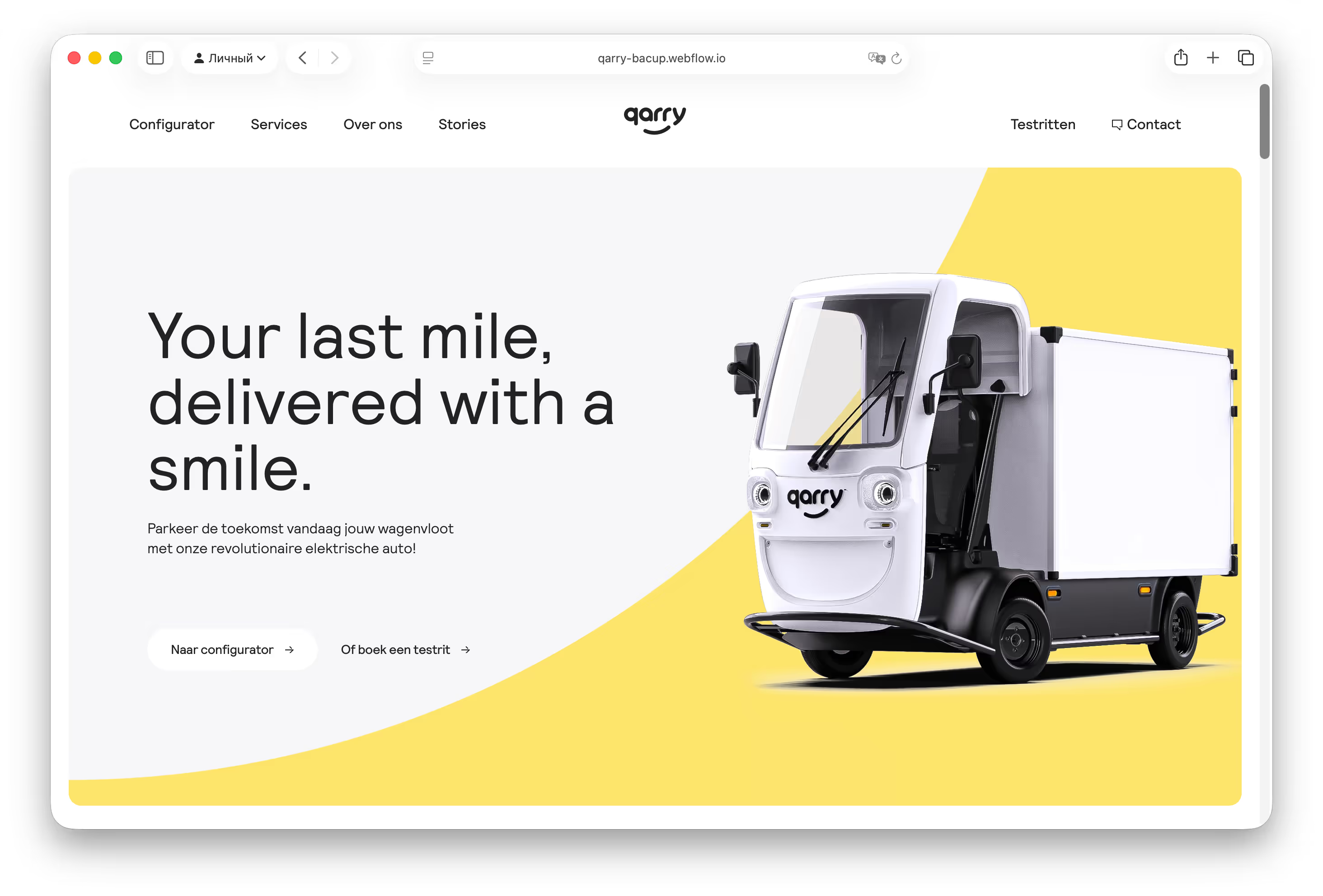
Qarry develops a compact electric vehicle for last-mile urban delivery. For the first iteration of its website, I translated the supplied visual design into Webflow, adapted an unusually complex geometric composition for different screen sizes, and built a custom vehicle configurator.
The configurator allowed prospective customers to customize the vehicle’s appearance and provide their details. Because a ready-made connection did not support this workflow, I created a custom API integration with HubSpot.
Project overview
Client — Qarry
Industry — Electric vehicles and urban delivery
Project — First iteration of the Qarry website
Platform — Webflow
Design — Supplied by the client
Development — Serhii Havryliuk, professionally known as Sergey Gavriluk
Core work — Responsive implementation, custom JavaScript vehicle configurator and HubSpot API integration
Version shown — Historical Webflow implementation; the current Qarry website has since evolved
Turning a complex design into a responsive Webflow site
The visual design was already established when the project reached me. My responsibility was to make it work as a real Webflow website while preserving the character of the supplied concept.
This was not a conventional layout built from a simple stack of rectangular sections. The design relied on asymmetrical compositions, layered geometric forms and elements that changed their relationship across screen sizes. Responsive behavior was therefore a central part of the development work.
I implemented the design for desktop, tablet and mobile without simplifying away the features that made it distinctive. The result combined the original visual direction with a working Webflow build that remained clear and usable at different viewport widths.
A five-step vehicle configurator
The most distinctive part of the project was the vehicle configurator. Instead of presenting Qarry as a static product, the website allowed prospective customers to interact with the vehicle and customize its appearance.
The five-step flow guided visitors through intended use, branding, driving range, fleet quantity and contact details. Custom JavaScript updated the vehicle preview as selections were made, so the configuration stayed visible throughout the experience.
This made the configurator both a product experience and a structured enquiry path. It is a practical example of using Webflow as the interface for product-specific functionality rather than limiting it to a standard marketing page.
Connecting configuration data to HubSpot through a custom API
A ready-made connection did not support this configurator workflow at the time of the build, so the project required an API-based handoff to HubSpot.
I connected the Webflow experience to HubSpot so the enquiry could arrive with its configuration context instead of only a name and email address. This kept the interactive experience on the website while passing useful information into the client’s existing lead-management system.
The implementation shows how custom JavaScript and an API connection can extend Webflow when a project needs product logic or an integration that is not available out of the box.
What happened after the first iteration
This case documents the first Webflow iteration of Qarry’s website, not the company’s current implementation.
After this first iteration, Qarry continued investing in Webflow and later brought ongoing website development in-house with a full-time developer. The preserved Webflow build is the clearest public record of the version covered by this case.
For me, the project remains especially relevant because it brought together two different areas of development: implementing a visually demanding responsive design and building custom functionality around a real physical product.
Client feedback
“It was so great to work with Sergey. He’s super proficient in everything related to Webflow.”
Tom Van Den Heuvel — Qarry.com
Project credits
Client — Qarry
Design — Supplied by the client
Webflow development, responsive implementation, custom JavaScript and HubSpot API integration — Serhii Havryliuk, professionally known as Sergey Gavriluk — Founder & Senior Webflow Developer at Webflowich
Frequently asked questions
What did Webflowich build for Qarry?
I developed the first Webflow iteration of Qarry’s website from the supplied design. My work included the responsive implementation, a custom vehicle configurator and an API connection to HubSpot.
Was the visual design created by Webflowich?
No. The visual design was supplied by the client. My role was Webflow development: translating that design into a working responsive website and implementing its custom functionality.
What did the Qarry configurator do?
The five-step configurator collected the intended use, branding choices, driving range, fleet quantity and contact details. Custom JavaScript updated the vehicle preview, and a custom API integration passed the enquiry data to HubSpot.
Is the archived project still Qarry’s current website?
No. The archived Webflow project preserves the first website iteration covered by this case. Qarry’s current website has since changed.
Evidence and project links
The archived build and its configurator document the first Webflow iteration described here. The current Qarry website is linked separately because it represents a later version.
Does your Webflow project need more than a standard marketing build?
If your supplied design includes an unusual responsive composition, a product configurator or an integration that Webflow does not support natively, tell me what needs to work. I’ll review the project and suggest a practical next step.